


Tove and Tooti had an exceptional 500 vinyl record collection

The vinyl collection of Tove Jansson and Tuulikki ‘Tooti’ Pietilä reveals more than just their musical tastes. The 482 vinyl records and 90 shellac records gathered on a wooden shelf form a map of travel, capturing the spirit of the times and the rhythms of an artist’s life. In this essay, Karri Miettinen — known as the rap artist Paleface — delves into the soundscape that fuelled the imagination and daily lives of these two artists.
“Then Moominpappa carried the wireless out into the garden and tuned in to dance music from America, and in no time the valley was filled with dancing, jumping, stamping, twisting, and turning. The trees were thronged with dancing spirits, and even stifflegged little mice ventured on to the dance floor.”
Tove Jansson: Finn Family Moomintroll, 1948
 In this video, Karri Miettinen, better known by his stage name Paleface, dives deep into Tove Jansson and Tuulikki Pietilä’s record collection.
A low wooden shelf filled with vinyl records sits in the Moomin Characters archive. It contains 482 pieces of vinyl and 90 archaic shellac discs – the joint record collection of the beloved Finnish artist couple Tove Jansson and Tuulikki “Tooti” Pietilä.
Some of the records are neatly stored in record folders. For one reason or another, some are missing their covers altogether, for which the artist couple have crafted homemade cardboard substitutes, often decorated with illustrations cut from art magazines. In general, however, Tove and Tuulikki’s records have been handled well and treated with care. They have clearly been valued and appreciated.
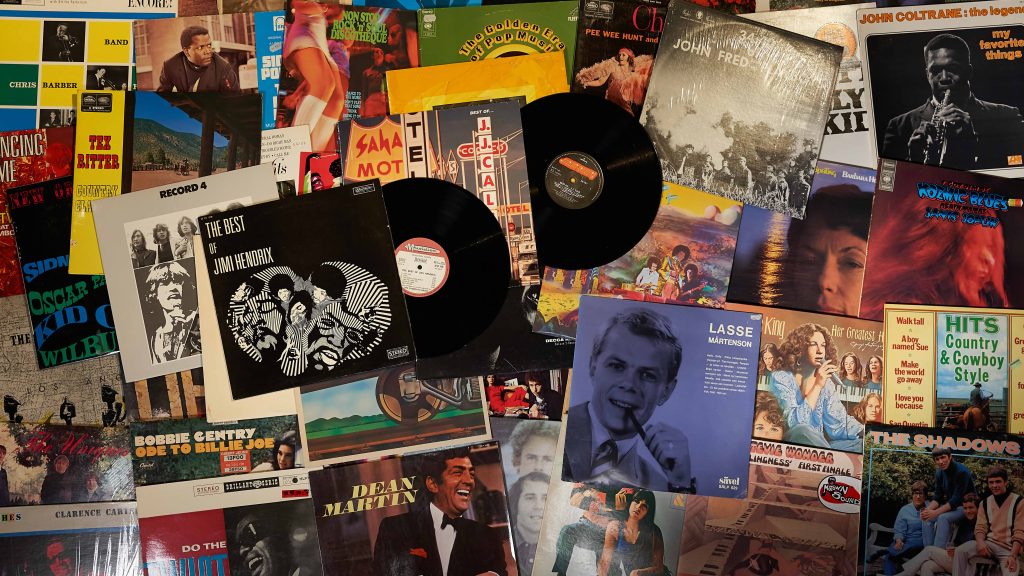 The extensive record collection of Tove Jansson and Tuulikki Pietilä.
An exceptional record collection
Tove and Tooti’s joint record collection is exceptional in many respects. It is a collection of true music enthusiasts and people who clearly understood different undercurrents of music. Some of the records were acquired from trips abroad in different parts of the world. Others have inscriptions on them. Some of them bear the signature of Tove’s dear friend, Eva Konikoff, who lived in New York. She seemed to have kept her pen pal in Finland well informed about American music.
There are other autographed records as well. The great Swedish songwriter Cornelis Vreeswijk has gifted his album Poem, Ballader och Lite Blues (1970) to Tove at a point of encounter.
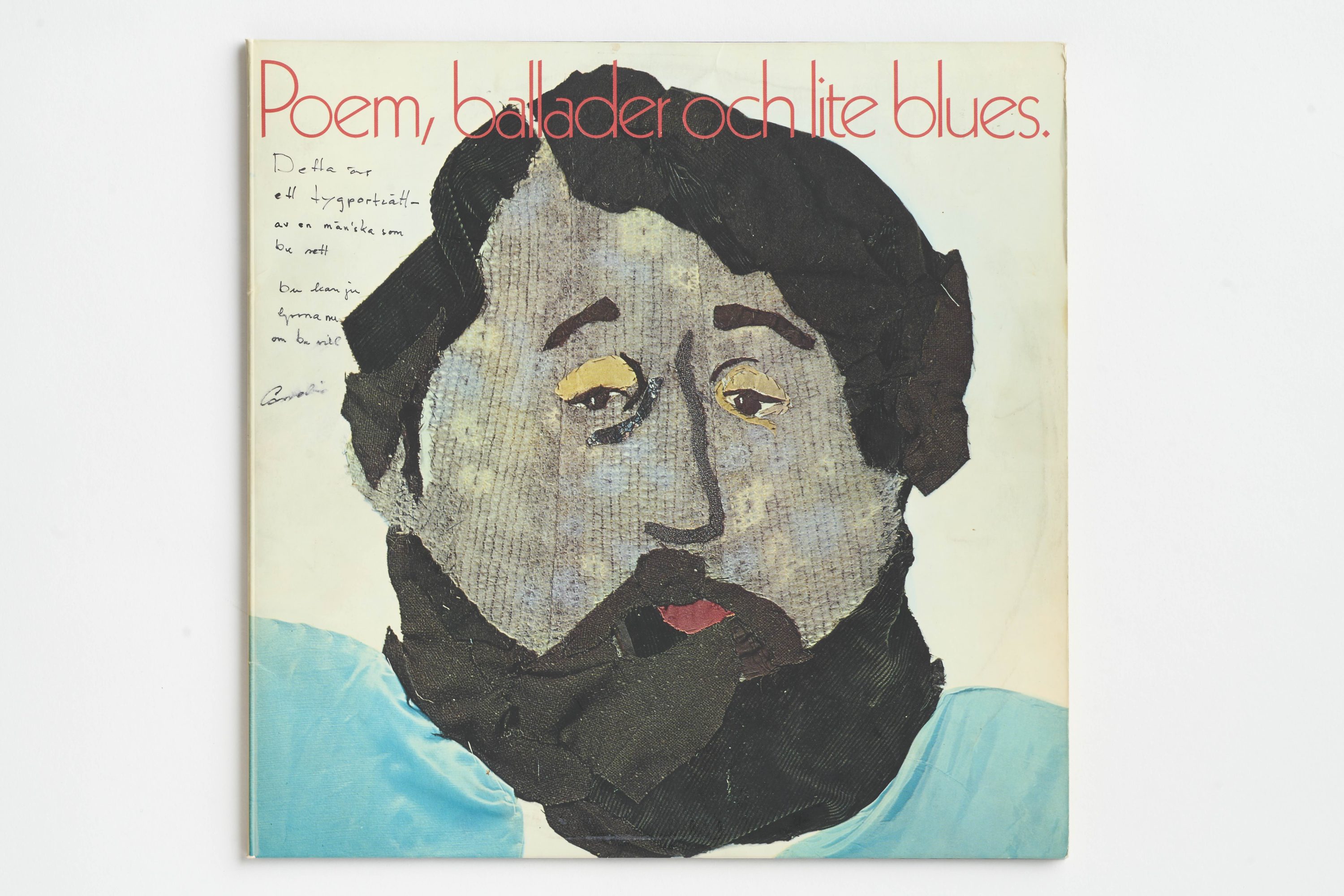
Vreeswijk has written on the record cover: “Detta är ett tygporträtt ⏤ av en män’ska som du sett. Du kan ju lyssna nu om du vill. Cornelis.” (“This is a canvas portrait of a person you met. You can listen to it too, if you want. Cornelis”). The image on the cover is a textile cut-up portrait of the singer pieced together from colourful fabrics. It is designed by Swedish visual artist Ann-Marie Regild.
Jazz – the downfall of youth
Tove loved to dance. When she moved to the music, she lost herself in her own world. The Finnish actress Alma Pöysti immortalized Tove’s unique dance moves in the 2020 film Tove, directed by Zaida Bergroth. There is a scene in which the main character puts on a Benny Goodman record and wildly frolics around her Ullanlinnankatu studio to the irresistible groove of “Sing, Sing, Sing”.
 A moment at Atos Wirtanen’s home, where Alma Pöysti, playing the role of Tove in the film Tove (2020), meets him for the first time. Photo: Sami Kuokkanen, Helsinki-Filmi, 2020
The muted trombones of Goodman’s orchestra evoke a 1930s air of danger. Master drummer Gene Krupa beats the toms toms. The song resonates with the spirit of a modern lifestyle and the breath of Big City.
Jazz played at Tove Jansson’s funeral
Tove was 23 when the tune came out. Goodman’s “Sing, Sing, Sing” remained a favourite throughout Jansson’s life. New Orleans jazz was even played at her funeral in the Old Church of Helsinki in July 2001. Even if her coffin was not ushered out in the traditional ‘Nawlins second line fashion, the ceremony was in fact attended by some the most skilled players in Nordic jazz and the service itself moved along to the sound of some of her favourite tunes. The songs included Sidney Bechet’s “Petite Fleur” and minor-key New Orleans standards like “St. James Infirmary” and “St. Louis Blues”.
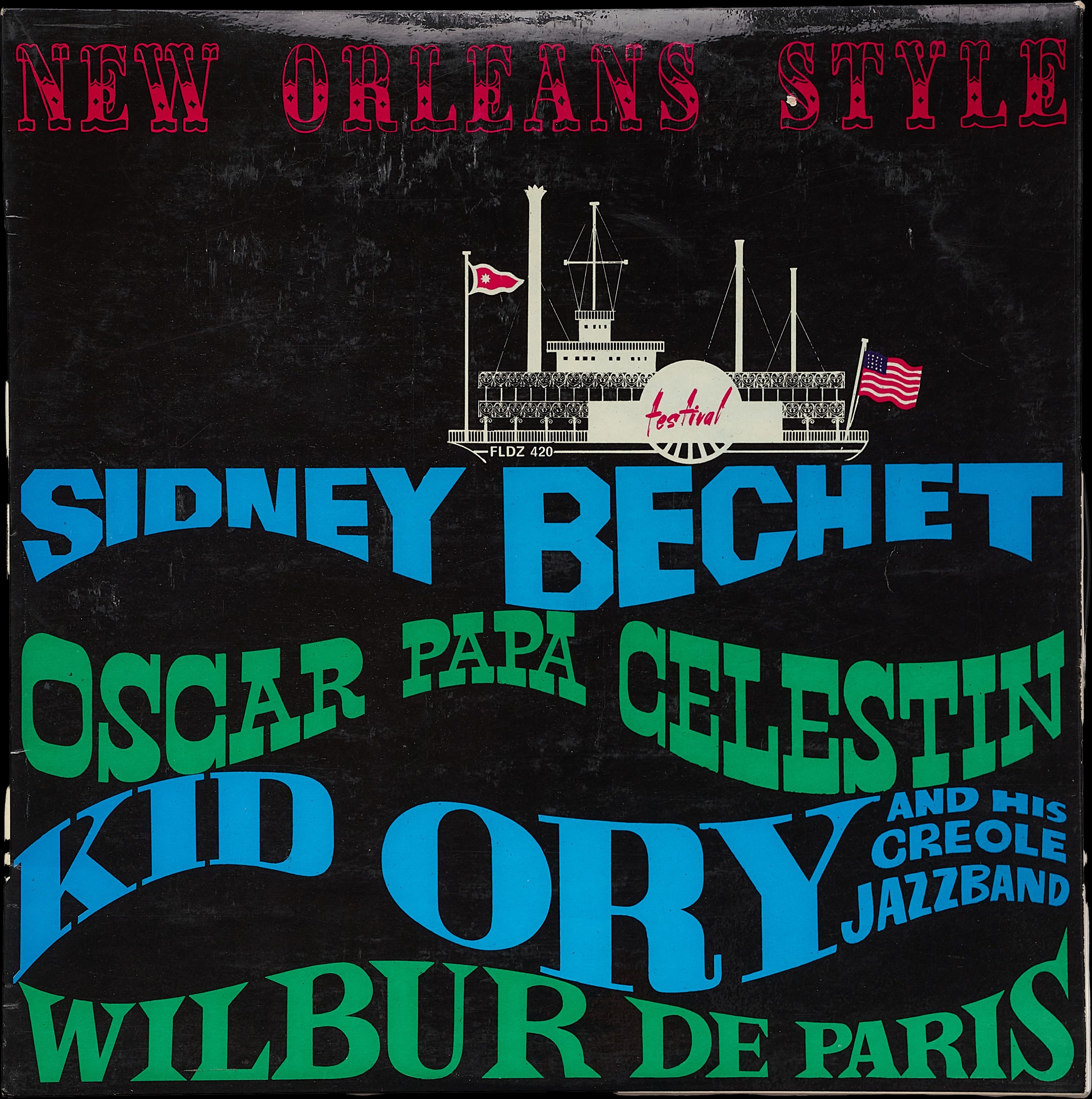
The funeral band was put together by Swedish sax great Eije Oskarsson, now living in Finland. Markku Johansson played the trumpet, Pekkis Sarmanto double bass and Tomi Parkkonen played the drums ⏤ all top notch Finnish jazz cats. Another skilled jazz player Lasse Hirvi played the piano and the church organ. In addition to jazz music, the service featured a segment of “Misa Criolla” by the Argentine composer Ariel Ramirez, based on a Catholic Mass, as well as Georg Friedrich Händel’s “Air Suite 2” from the Water Music series. Both classical pieces were important to Jansson and are included in her record collection.
Tove Jansson – Jazz Fan
Tove’s trusted friend, Birgitta Ulfsson, figured that dancing, especially alone, suited the shy and reserved artist well. African-American swing jazz was particularly suitable for dancing, as it had a special appeal for her. In addition to swing and big band jazz, Jansson’s record collection included a wide range of other subgenres of jazz music, 1960s hard bop and cool jazz, as well as lots of British and Scandinavian jazz records. The legendary pianist Fats Waller, vibraphonist Lionel Hampton, and saxophonist Coleman Hawkins were among her favourites. Among the Nordic artists close to Tove’s heart were, for example, Swedish jazz musicians: pianist Jan Johansson, alto saxophonist Arne Domnérus, and guitarist Rune Gustafsson.
In Tove’s youth, jazz was political
Born in 1914, jazz music had a political dimension in the youth of young Tove. Playing jazz and listening to jazz on record was strictly forbidden in the totalitarian regimes of the era: Nazi Germany and the Soviet Union. Stalin banned jazz music as decadent unwanted Western influence. In Germany, jazz was considered questionable in light of the prevailing racial doctrine. Jazz was also radical in relation to segregation in the United States.
Jazz music was also considered somewhat suspicious in certain religious context. American Evangelist Billy Sunday said jazz was in fact “a direct road to perdition.” According to Sunday, jazz music had caused “the downfall of half a million girls and would soon bring even more to ruin”. The evangelist warned that jazz could very well be “the destruction of the nation.”

Jazz was the voice of a marginalized people, the music of African Americans. Many individuals who worked in jazz music were also of Jewish heritage, another highly persecuted group of people. Tove and Tooti have been aware of this dynamic and closely followed the American civil rights struggle.
The music of the civil rights era carried powerful messages. Tove understood what was hanging from the poplar trees in the Billie Holiday song “Strange Fruit” (1939), a depiction of the illegal lynchings of the Jim Crow era in the Deep South of the United States, a testament to the trials and tribulations of an oppressed people.
Queer Women in Jazz
One could also read early implications of a Queer identity in the music of the era, as the sexual orientation of certain African American blues and jazz singers was recognized. For example, “The Queen of the Blues” Ma Rainey (1886-1939) and the jazz singer Bessie Smith (1894-1937) were known to “like girls”. In the lyrics of Rainey’s song “Prove it on me” (1928), she states: “Went out last night with a crowd of my friends / they must’ve been women, cause I don’t like no men.”
Bessie Smith is known to have sung George Hannah’s “Boy in the Boat” (1931): “When you see two women walking hand in hand / Just look ’em over and try to understand / They’ll go to those parties, have the lights down low / Only those parties where women can go.”
The couple had several records by both artists in their collection, including a total of four Bessie Smith albums.
Tove and Tooti’s American Records
Jansson’s was on dial with America and American music thanks to her friend and pen pal Eva Konikoff (1908-1999). Tove and “Koni” became friends in the late 1930s in Helsinki. Konikoff moved to America in 1941, and the two corresponded actively until 1967. “Koni” may have been one important source for some of the American music in the couple’s record collection.
Quite surprisingly, the women seem to have been digging on a lot of American guitar bands of the 1960s. Besides albums by the Animals and The Shadows, their record shelf also contains some more obscure garage-rock of the 60s such as The Electric Prunes, The Uniques, John Fred And His Playboys and Indian Summer. Not your typical run-of-the-mill stuff. Their collection also contains four albums by American guitarist J.J. Cale, six albums by Jimi Hendrix as well as albums from The Beatles and the Rolling Stones.
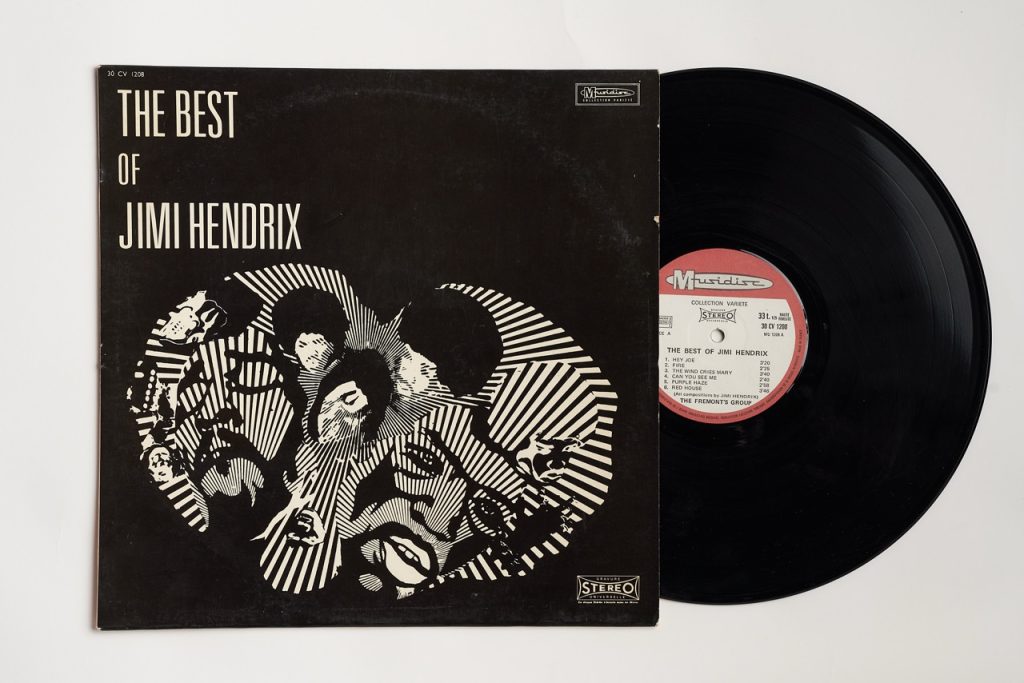
Judging by the badly torn album cover, Rock’n Roll Stage Show by Bill Haley And The Comets from 1956 has been in particularly active play. In addition to early big band jazz, the two women have clearly jammed to a lot of rock’n’roll! The fast-paced rhythm’n blues of the era is represented by Ray Charles’ explosive live album Do the Twist with Ray Charles (1961).

Records that follow you home
A record collection is the result of a chemical process of sorts. An assortment of objects that accumulates over a period of time. The British music journalist David Hepworth would avoid the word “collection” altogether. He would rather speak of “an accumulation of records”. According to Hepworth, a collection requires some kind of an organizing principle, and record collections typically lack one. Some records are purchased with intent, some on a whim, some have received as gifts. For post-war generations, records have also been souvenirs. Tove and Tuulikki have brought records back home from their travels to Greece, Japan, and Iceland, among other places. Hepworth describes his own record collection as an assortment of records that have “followed him home” over the years.
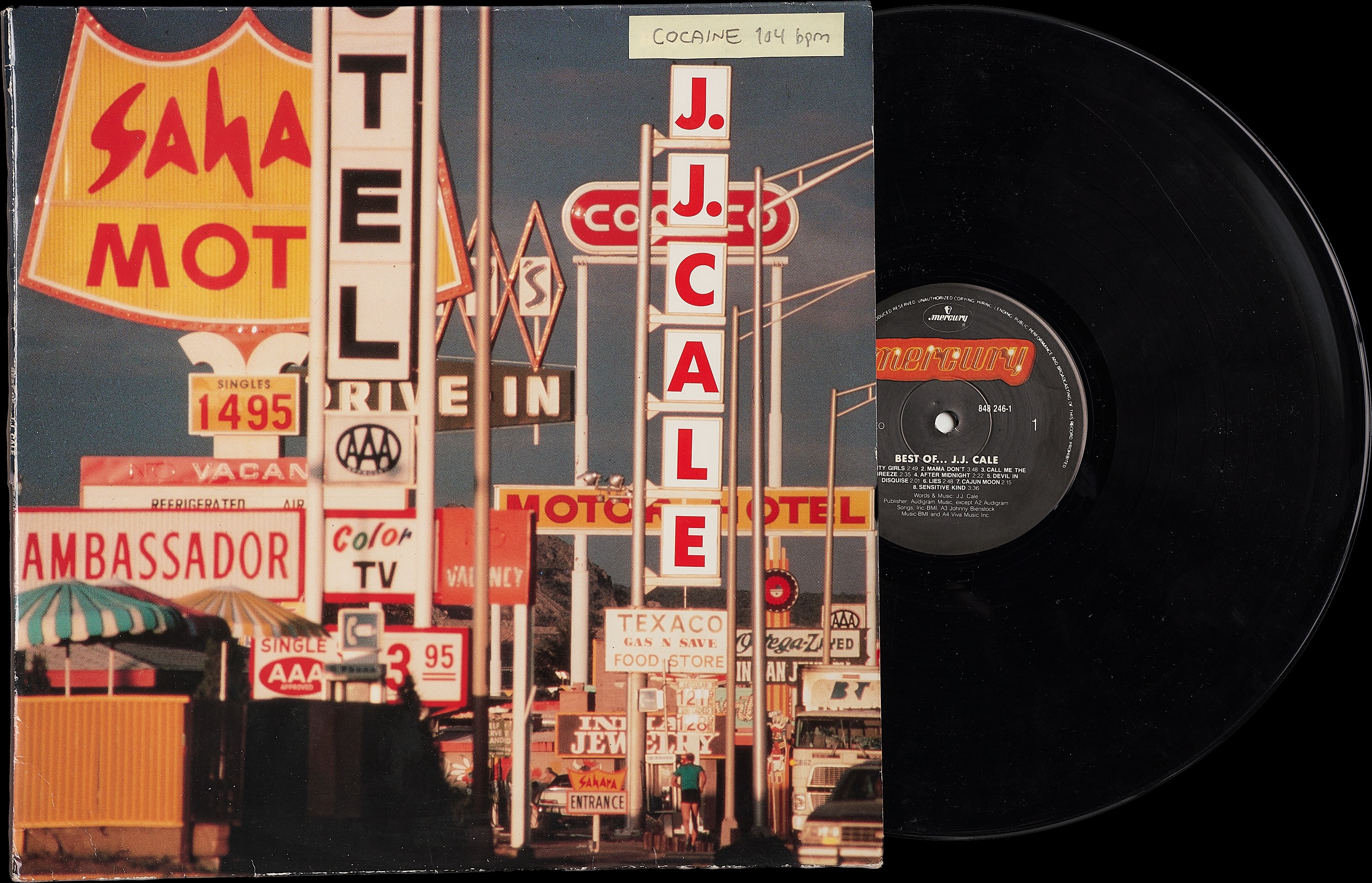
How is a record collection put together?
Which records and which genres have magnetized together? What musical decades and generations meet on a particular record shelf? When has the buyer had extra spending money for expensive items? Which record have they decided not to buy? The formation of a record collection is a combination of mere chance and the capitalist sentiment of supply and demand, targeted marketing and consumer culture. Vinyl records are also plastic industrial objects, the end product of the oil industry.
Consuming music in the modern era, in the era of streaming services, is therefore very different than ever before. Older generations have grown up with physical recordings. Listening to records has been an activity requiring the time and the physical place dedicated to the ritual.
Listening to music on records has also required flipping from side A to side B halfway through the album. Listening to music has had a physical bodily dimension to it. In addition to all this, the record shelf has in many cases been as significant a part of one’s home decor the same way as a bookshelf, something that dominates the room. Hi-fi equipment has not only been a device for producing sound ⏤ but also physical furniture.
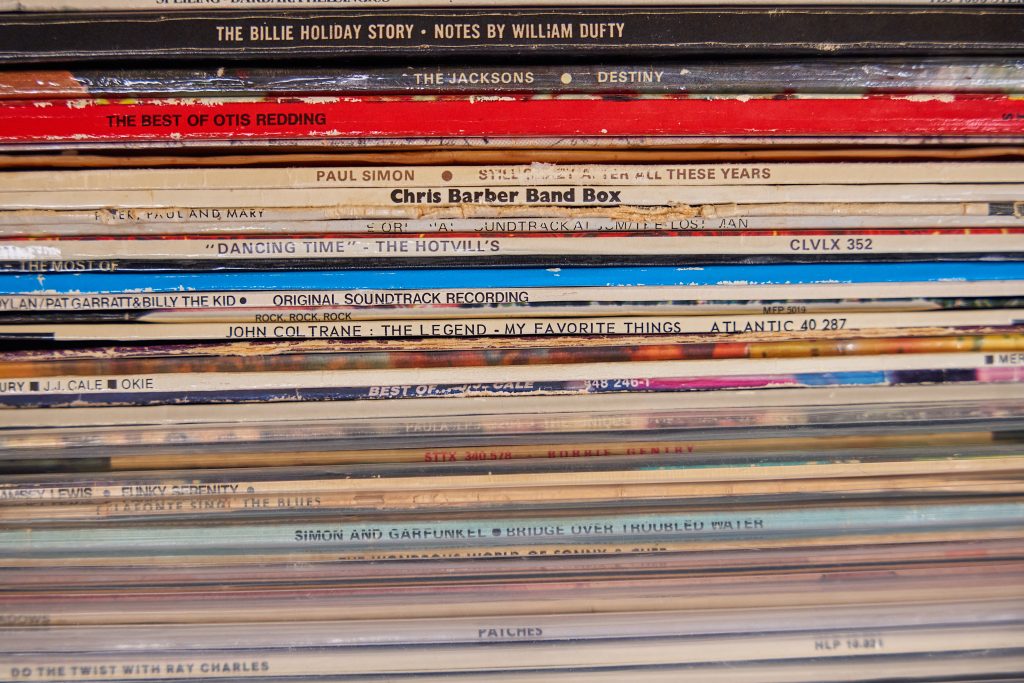
Tuulikki the Deejay
Tove may have started buying records already as a teenager. At the end of the 1930s, musical records were widely available on the European market, but when the war broke out the supply significantly cut down. The consumer market for records remained weak for a long time after the war. In Finland, records were classified as luxury goods, the purchase of vinyl from abroad was subject to heavy rationing, and when suitable funds, i.e. foreign currency, was not available for this purpose, the import of vinyl records ceased almost entirely.
A new golden age for records began in the 1950s, when the vinyl album arrived in Finland. In the beginning, LP records were considered luxury products, a relatively expensive format that not everyone could afford. According to music historian Matti Laipio, in the first half of the 1960s, the price of an LP was a whopping 2,400 Finnish marks, almost half of the tuition fee for high school. Young people in particular could not afford to buy records. Record collecting became for accessible in the 1970s, as the standard of living rose, and more and more people could afford to buy records and record players. In 1970, the total sales of vinyl records in Finland exceeded one million copies for the first time since the gramophone craze of the late 1920s. Three years later, in 1973, more than two million records were sold in Finland.
Tove and Tuulikki appreciated music and seem to have invested a relatively large amount of money in records. For the two artists, music seemed to have been a constant source of inspiration, a channel to the subconscious and also a practical way to set the pace for artistic work in the ateliers.
Records were the couple’s shared passion
Vinyl records also quite literally brought Tove and Tuulikki together.
Tove met her long-term life partner Tuulikki Pietilä for the first time in 1955, at a Christmas Party for The Artists Guild they were both members of. Tuulikki was the DJ! Without a doubt, a number of choice cuts were selected and Tove was obviously letting it loose on the dance floor. The women began dating in 1956. They soon moved in together and began cultivating their shared record collection. Tove and Tooti’s vinyl shelf contains several records from this era.
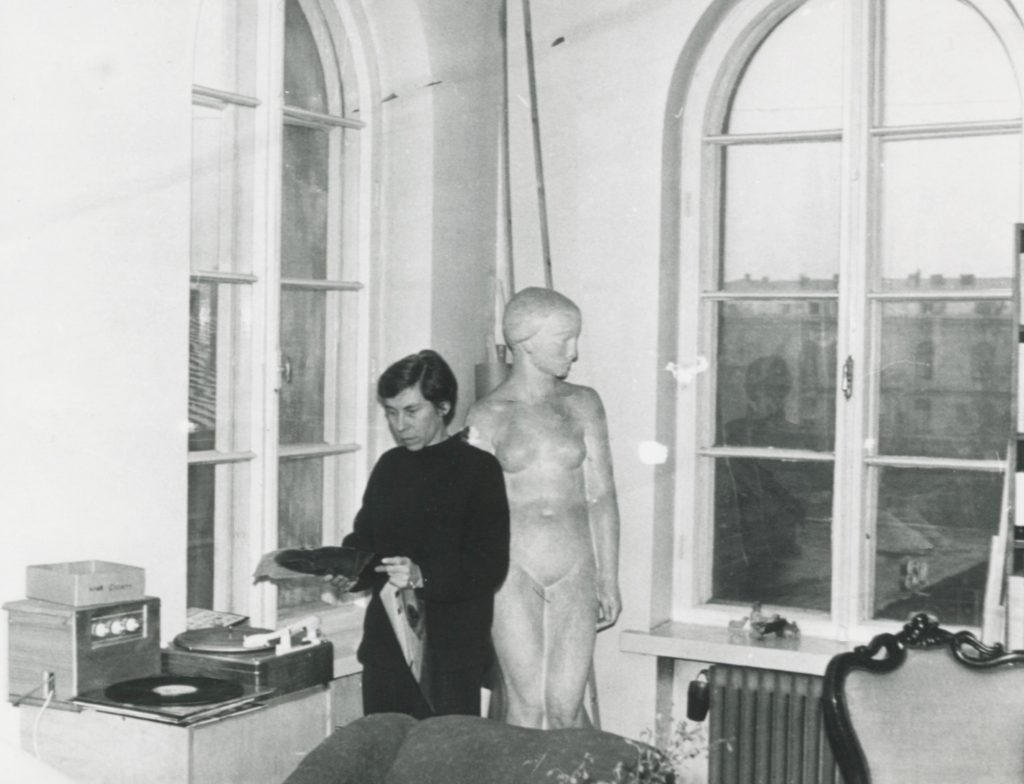 Tove Jansson at home in her studio on Ullanlinnankatu.
Born in Seattle, Washington to a Finnish-American family in 1917, “Tooti” also inherited her parents’ extensive shellac collection in addition to her vinyl records. Such a broad selection shellac from this era is a rarity, as there was a shortage of raw materials in Finland during World War II. In order to buy a new record from a store, you had to give the merchant an old record in exchange. These records were destroyed and melted down only to become raw materials for war time industry. This is why only relatively few Finnish shellac records from and prior to the war time era have survived. In addition to a vinyl player, Tove and Tuulikki also had a gramophone, so the shellac discs were also enjoyed on occasion.
Mythical artifacts
Vinyls are consumer goods meant for every day use. They get easily scratched and sometimes a favourite record gets damaged. Sometimes a record is left without a cover, someone steps on it or the cover get wet. Sometimes records get mixed up in the wrong album cover altogether. This is also the case with Tove and Tuulikki. For example, the vinyl of their copy of King Crimson’s classic album In the Court of the Crimson King (1969) has gone missing over the years. In place of the two missing records are the two LPs of Pink Floyd’s equally experimental prog opera Umma Gumma (1969). You wouldn’t expect to find either of these progressive rock classics on the shelf of a pair of artists who were in their fifties at the time of the release of the records. This demonstrates that they were constantly up to date with what’s happening in music and were also looking into “what the kids were into” without prejudice.
Hard and Horny – The Holy Grail for Collectors
A true gem in this collection is the debut album Hard and Horny by pioneering Finnish rock band Wigwam, released by Love Records in 1969. The first edition of the album, limited to 400 copies, was pressed without an album cover, and the band members ended up illustrating a few dozen cardboard covers by hand. One of these unique cardboard covers has ended up in Jansson’s and Pietilä’s record shelf. The hand-drawn Hard and Horny is one of the true “Holy Grail albums” of Finnish record collecting, a mythical artifact that most people have only seen in pictures.
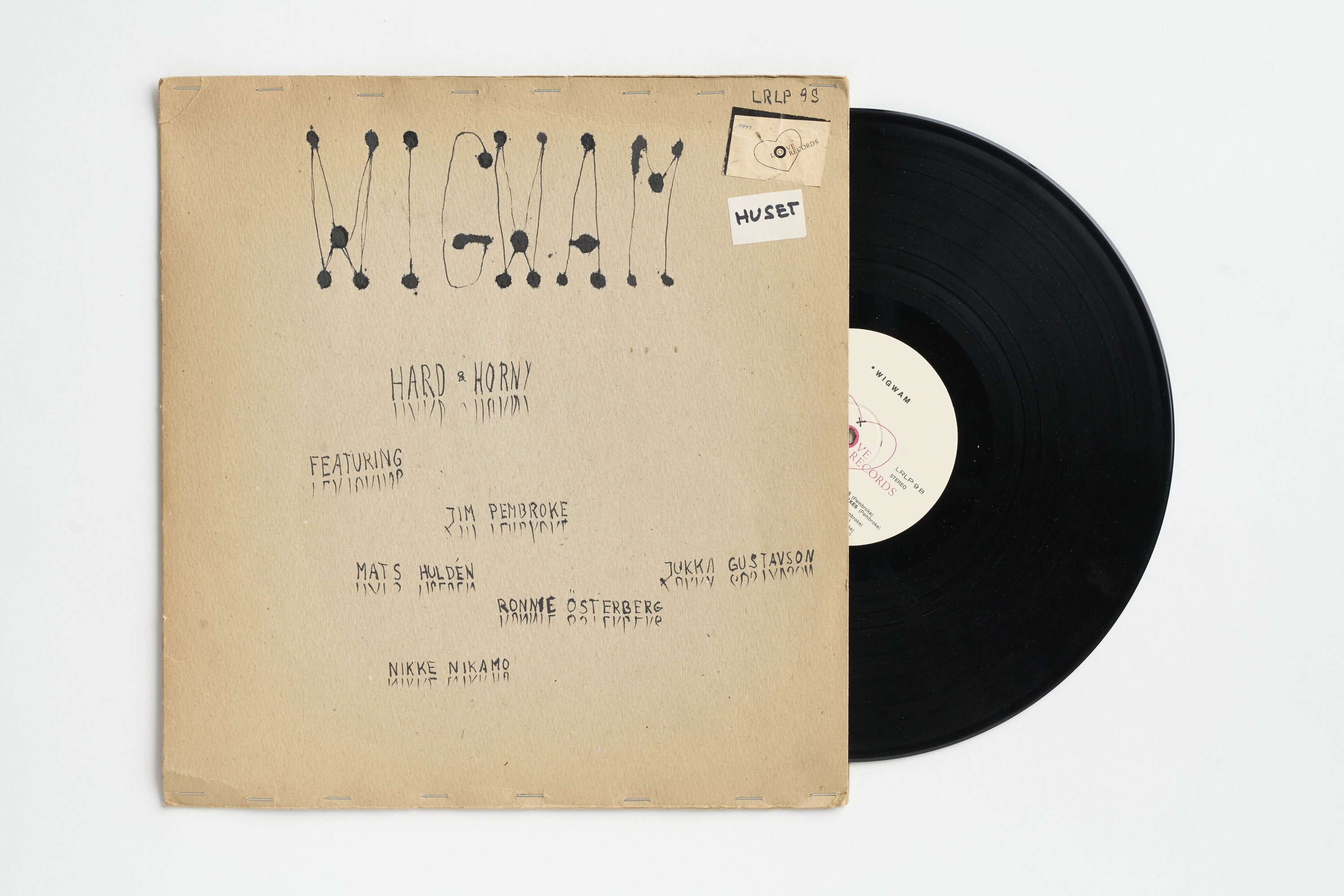
According to record collector Tommi Nylund, a hand-drawn Hard and Horny has recently sold for €1,125. In 2024, the band’s guitarist Nikke Nikamo identified the copy as being drawn by Wigwam’s English-born singer Jim Pembroke.
Tove and Love Records
Tove and Wigwam connected through the Swedish Theatre of Helsinki, when Svenska Teatern performed Gerome Ragni’s and James Rado’s sensational rock musical Hair in 1969, and Wigwam was the house band of the performance. Band members Ronnie Österberg and Mats Huldén are like Tove also of Finnish-Swedish descent. Huldén’s father, Lars Huldén, was a member of the board of Svenska Teatern, and Huldén’s mother, Ingeborg Slotte, was an established visual artist ⏤ a couple whom Tove and Tuulikki knew well. In addition, the founding trio of Love Records, Atte Blom, Otto Donner and Christian Schwindt, were familiar to the artist couple from Helsinki’s relatively small Finnish-Swedish community and most likely also from Helsinki’s jazz scene. Love Records even released two songs with Tove’s lyrics.
Tove’s only album cover illustration
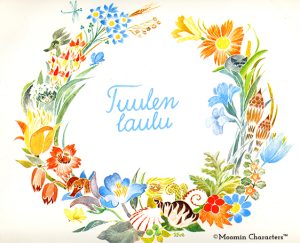
Hippie rock icon Pekka Streng composed Tove’s poem “Pieni juhlija” (“A small partygoer”) for the band Ellipsi in 1969. Streng’s second album Kesämaa (1972) also introduced Jansson’s lyrics on the song “…ja Tuitturuusut sai” (“…What the crazyroses got”). Love Records also commissioned Jansson to paint what is known to be the only piece she painted specifically for an album cover, a painting of a wreath of flowers for the 1972 children’s album Tuulen laulu (“Song of the Wind”) by the group Humppaoravat.
Folk music, chansons, fados…
Tove and Tuulikki’s record shelf has a wide selection of music. Lots of jazz and 1960s sweet soul music: Aretha Franklin, Otis Redding, Clarence Carter. In addition to African-American sounds, another field of interest was American folk records: Woody Guthrie, Pete Seeger, Bob Dylan, Joan Baez, Peter, Paul and Mary and musical rarities from artists such as Melanie and Malvina Reynolds. Finnish folk music, such as Finntrio and Anki Lindqvist, is also well represented.
The shelf has also a significant portion of French-language music: the protest singer Colette Magny, actress and singer Juliette Greco, Edith Piaf, “Monsieur 100,000 Volts” Gilbert Becaud and recordings of Michèle Arnaud’s chansons. In addition, the shelf contains Peruvian singer Yma Sumac’s exotica, some Latin rhythms, music from the Antilles and, for another example, Amalia Rodrigues’s eloquent fados.

Classical music
Classical music forms an entire section of its own. Birgitta Ulfsson recalls that on occasion Tove and Tuulikki could even dance to Bach’s Brandenburg Concertos. The couple’s repertoire also includes a wide range of other classical jewels: Tchaikovsky, Rimsky-Korsakov’s Scheherazade, Liszt, Vivaldi and Mendelssohn. One of the specialties in the collection is the album Electronic Music from 1966, containing early electronic compositions, including music by Andres Lewin-Richter, Ilhan Mimaroglu, Tzvi Avni and Walter Carlos. The trailblazing composer Carlos, a prominent pioneer of electronic music, underwent gender reassignment surgery in the early 1970s and is better known as Wendy Carlos.
Tuulikki liked country music

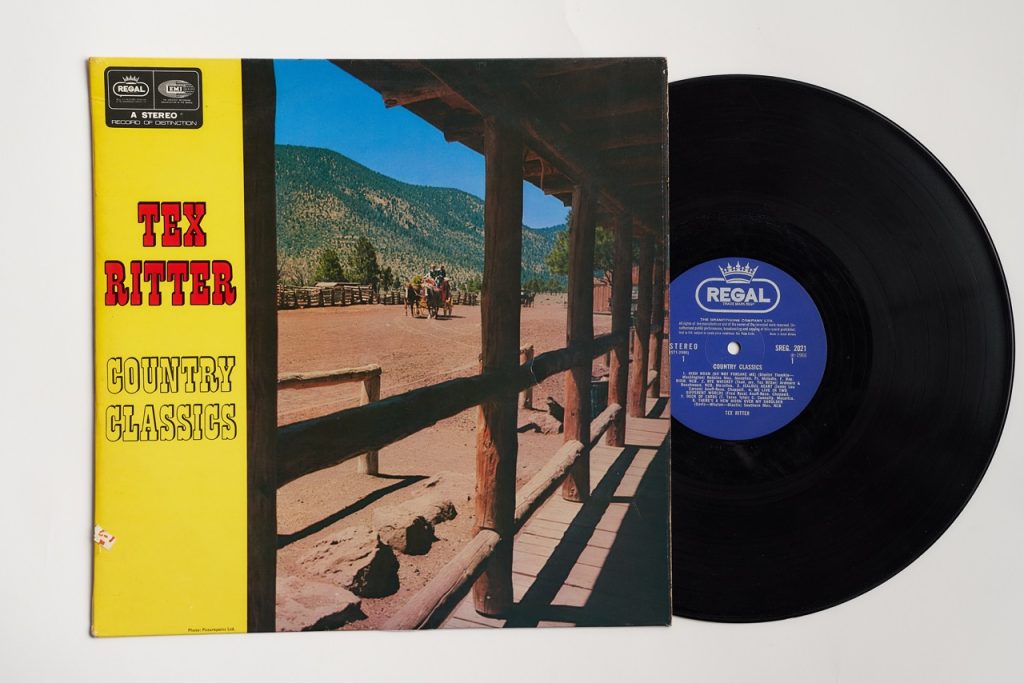
The most unlikely part of the collection is Tuulikki’s enthusiasm for the music of the American Westerns. She was indeed born in America, which most likely plays a part in the fandom. The shelf contains a considerable amount of Country and Western-music from artists like Tex Ritter, Glen Campbell, Bobby Austin, Wanda Jackson – even recordings of Elton Britt’s yodeling. There are eight different country music compilation albums. The interest in Western Films may also have had an LGBTQ dimension to it.
Western films were a form of “soft porn” in a time of clandestine gay culture – the movies where a place where especially men were allowed to admire other men on the big screen. The visual aesthetic of Montgomery Clift’s and James Stewart’s 1940s Westerns can been seen as homoerotic. Doris Day’s tomboy main character and her co-star Dick Wesson disguised as a woman in the film Calamity Jane (1953) have also been seen as part of early queer cinema.
Musicals and Horror
Tove and Tuulikki’s shared record shelf also contains a lot of Broadway musicals as well as some original movie soundtracks, for example the score of Roman Polanski’s Rosemary’s Baby (1968), which many regard as a feminist horror movie. The shelf also contains the title Chilling, Thrilling Sounds of the Haunted House (1964), a sound effect record with thunder, rain, wind and creaking floors. The record may have created a special atmosphere at one of their Halloween-themed house parties.
Text: Karri Miettinen, 2026
Karri Miettinen — best known by his stage name Paleface — is a pioneering Finnish rapper and a versatile wordsmith. Besides his own albums he has written and translated poetry, authored books of non-fiction and scripted for theatre. The family man is also a passionate deejay and a record collector.
DJ Daddy Pales spins Tove & Tuulikki’s records at deejay gigs.


